With technology continuing to rise and the heavy use of web surfing, having a strong online presence is vital for any business. And the foundation of that online presence? A website that accurately represents your brand and engages potential customers. But, how do you choose the perfect website template for your business? With so many options out there, it can be overwhelming to make the right choice.
First and foremost, your website design is a reflection of your business. It’s the virtual storefront where potential customers will form their first impression of your brand. Therefore, it’s crucial to select a layout and style that accurately represents your business’s reputation and goals.
Website templates provide an easy solution for business owners without extensive technical skills. By using a ready-made template, you can focus on customizing and optimizing your website, rather than starting from scratch. But, with so many responsive templates available, it’s important to choose one that best fits your business needs and target audience.
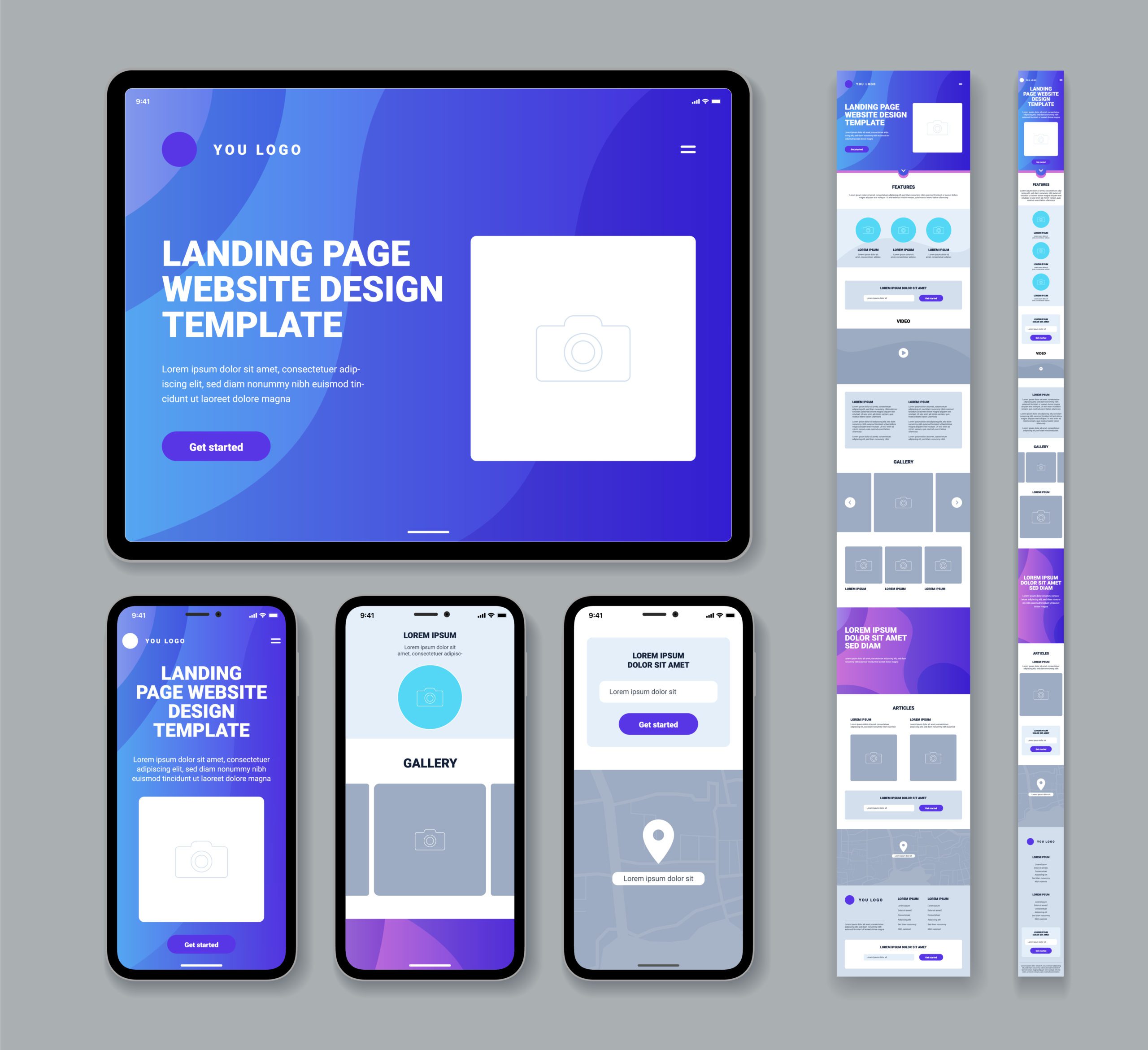
Browsing website templates for your business can be an enjoyable, yet difficult task. From layouts to colors, to the overall type of website, there’s a lot that should be taken into consideration. Consider features such as photo galleries, contact forms, and social media integration. Additionally, look for a template with a clean and modern design that is also user-friendly and responsive across various screen sizes.
But ultimately, the ideal website template will depend on your business’s niche and primary tool for online marketing. For retail businesses, consider templates with features such as product showcases and shopping carts. For service providers, prioritize showcasing core services and a simple, intuitive user interface.
In short, the perfect website template for your business will effectively communicate your brand message, cater to your target audience, and make it easy for potential customers to engage with you. It’s worth taking the time to choose a proper template that aligns with your design decisions and future business goals.
1. Understand Your Business Needs and Goals
Choosing the perfect website template for your business requires a deep understanding of your business needs and goals. It is crucial to align the template’s design features with your business objectives to attract potential customers, establish an online presence, and improve user experience.
Considering your business goals will inform much of the website’s content, from the design and layout down to the menu bar and functionality. If your business aims to showcase captivating images, templates with features that support photo galleries and a clean, modern design may be ideal. For service providers, a full-width design with intuitive user interfaces that draw attention to core services may be more suitable.
It’s also important to consider the industry you operate in. Some templates may be appropriate for retail businesses but not for other types of businesses. Understanding your business niche will enable you to make informed design decisions that will resonate with your target audience.
In conclusion, understanding your business needs and goals are paramount in choosing a website template that aligns with your organization’s vision. It ensures that the final product will support your business goals and lead to successful online marketing outcomes.
2. Determine Your Website’s Purpose
Before choosing a website template, it is essential to determine the purpose of your website. The website purpose defines what your website aims to achieve, whether it be to inform, entertain, or sell products and services. Knowing your website’s purpose helps you choose a template that aligns with your goals and objectives.
To determine your website’s purpose, ask yourself some critical questions: What is the primary goal of the website? Who is the target audience, and what do they expect from your website? What kind of content will you publish on your website, and how often? The answers to these questions will help you define your website’s purpose and select a template that supports your goals.
For example, a retail business website may require a template with photo galleries to showcase products. On the other hand, a service provider may need a template with contact forms to manage potential customer inquiries. Having a clear website purpose ensures that you select a relevant and helpful template that caters to your target audience’s needs and delivers a seamless user experience.
3. Explore Website Design Options
When exploring templates for your business’s website, there are a number of important factors that business owners must take into consideration. With such a wide variety of templates available, it is easy to get overwhelmed, but taking the time to carefully consider these key factors before making a decision will help you choose the perfect website template for your business.
First and foremost, it is important to consider industry relevance. Regardless of which industry your business operates in, it is crucial to choose a template that is relevant to your specific niche. This could mean choosing a template that is built for retail businesses, service providers, or any other specific type of business.
In addition to industry relevance, it is also important to consider your personal preference and the overall visual appeal of the template. The aesthetics of your website are critical, and choosing a template that visually depicts your mission and goals is essential. You should choose a website template that not only looks good, but also functions well, with a layout and structure that facilitates an intuitive user experience.
Functionality is another key factor that you must consider when exploring website templates. The template should be compatible with all screen sizes, with responsive design templates being a must in today’s world. It should also have all the necessary features to meet your business requirements – from menu bars to contact forms, photo galleries to social media accounts.
By keeping all of these factors in mind, you can ensure that the website template you choose is the right one for your business, providing a user-friendly interface and all the necessary features to create a strong online presence.
4. Evaluate Website Design Elements
When choosing the perfect website template for your business, one of the most crucial aspects to consider is the website design elements. These elements include fonts, colors, layout, shapes, images, navigation, user interactions, animations, and site structure. It is important to evaluate each of these elements and determine how well they align with your business goals and target audience.
For instance, fonts and colors significantly impact the overall feel of your website. They can help reinforce your brand identity, evoke emotions, and highlight important information. The layout and shapes of your website can affect user experience and navigation. Additionally, photos and images can captivate potential customers, reinforce the business mission, and showcase services and products.
Another critical aspect of website design is the site structure. It needs to be organized and easy to navigate to ensure that potential customers can easily find what they are looking for. You should also evaluate the user interactions and animations on your website, ensuring they are engaging and don’t slow down your website.
By evaluating each of these website design elements based on your business goals and target audience, you can select a website template that aligns with your vision. Remember, a proper website template customization can help you establish a strong online presence, engage potential customers, and create a lasting impression. So always assess the customization options and align website design elements with your business’s needs.
Remember, a proper website template customization can help you establish a strong online presence, engage potential customers, and create a lasting impression. So always assess the customization options and align website design elements with your business’s needs.
5. Testing and Feedback
Last but not least, the test phase. Testing and feedback are crucial aspects of the website design process. It is important to test your website for functionality, website speed, and responsiveness across different screen sizes to ensure that users can easily navigate and access information. User feedback also helps to identify areas of improvement such as confusing navigation, slow loading times, unresponsive design, and even poor use of content.
Testing your website’s functionality is important to ensure that all contact forms, menus, and other features work seamlessly. Website speed is also important for providing a good user experience, as slow loading times can frustrate users and reduce the chances of them returning. Additionally, ensuring that the website is responsive across different screen sizes is important as more people are browsing the internet on mobile devices.
Seeking feedback and user reviews from potential customers or colleagues can provide a different perspective on the design and user experience, which can be valuable in identifying any areas that need improvement. Utilizing preview mode to show different designs to colleagues can also help in making design decisions.
Overall, testing and feedback are important for creating a website that caters to the needs of your target audience. Ensuring functionality, website speed, and responsiveness across different screen sizes are crucial for an optimal user experience. Seeking feedback and user reviews can provide valuable insights for continuous improvement.
Conclusion
In conclusion, choosing the perfect website template design is crucial for any business owner. It can greatly affect the success of achieving business goals and creating a positive online presence. Using a template that is user-friendly and visually appealing can contribute to a business’s reputation and customer satisfaction. It is important for business owners to take the time to research and analyze their target audience to make informed design decisions. Preview modes can be utilized to test out the look and feel of different templates before committing. Responsive templates that cater to different screen sizes, quick loading times, and captivating images such as photo galleries and captivating headers can also enhance user experience. There is a wide range of templates with features such as extra menus, social media integration, and other advanced features that can enhance online marketing efforts. Overall, making an informed decision on a template that matches a business’s mission, goals, and niche can ensure a seamless online experience for potential customers and ultimately lead to the achievement of business goals.