In today’s digital landscape, every business needs a modern website to establish a professional and trustworthy online presence, enhance customer engagement, and ultimately increase conversions. A modern website offers a competitive advantage as it reflects the business’s commitment to staying up to date with the latest trends and technologies.
A modern website provides a platform for businesses to showcase their products and services, communicate their brand’s message, and connect with potential customers worldwide. A well-designed modern website can draw visitors in with visually stunning graphics, interactive features, and user-friendly interfaces that keep visitors engaged and encourage them to explore the site further.
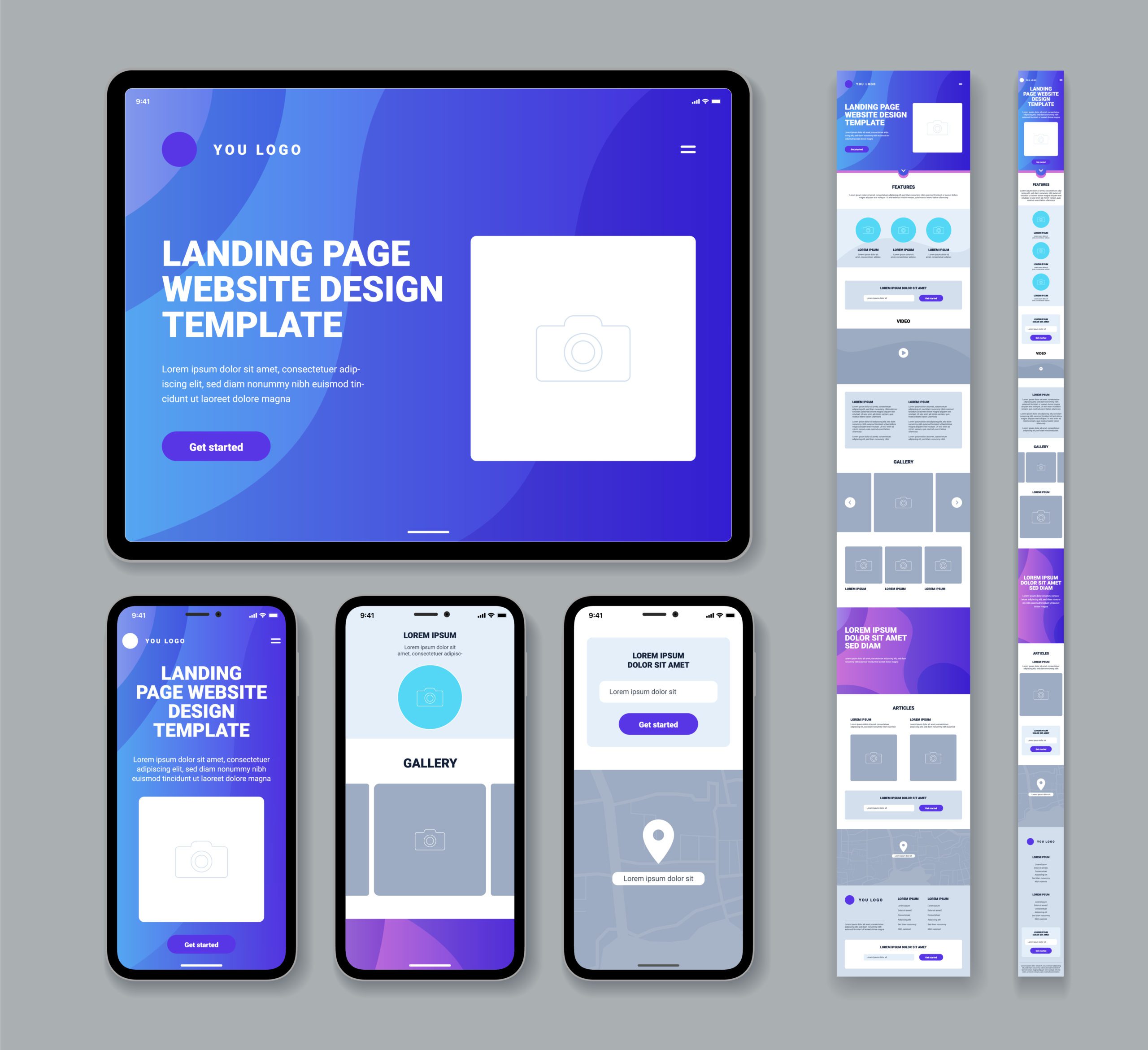
Furthermore, modern websites offer numerous benefits, including responsive design, enhanced security measures, improved performance, and the integration of modern features. With responsive design, businesses can ensure that their website is optimized for various screen sizes and mobile browsers, allowing visitors to access the site with ease from any device.
Enhanced security measures, such as SSL certificates and firewalls, ensure that sensitive information such as credit card details or personal data is protected against cyber-attacks. These measures also help to build trust with visitors, assuring them that the website is secure and that their data is safe.
In addition, improved performance, such as fast loading times and smooth navigation, augment visitor experience. The integration of modern features such as chatbots, AI tools, and e-commerce functionality provides users with more options and encourages them to interact more with the website.
In conclusion, a modern website is essential for businesses that want to establish an online presence and succeed in today’s digital landscape. By incorporating a responsive design, enhanced security measures, improved performance, and modern features, businesses can enhance their digital presence and offer a better user experience, leading to increased customer engagement and conversions. With a modern website, businesses gain a competitive advantage and ensure that they stay ahead of the curve to meet the ever-changing expectations of users.
Trust and Credibility: The Make or Break for Success
In today’s digital age, having a modern and high-quality website is crucial for any business that wants to establish trust and credibility with its audience. A website that is visually attractive, easy to navigate, and user-friendly helps create a strong first impression, which can go a long way in ensuring that potential customers view a business as trustworthy and reputable.
One of the key elements that contributes to establishing trust is displaying customer testimonials. By showcasing positive feedback from past customers, a business can generate confidence in its offerings and demonstrate its ability to deliver on its promises. Certifications, awards, and partnerships are also great ways to build credibility and establish a business as an industry leader, showcasing expertise and professionalism.
However, it’s not just about providing solid evidence of a business’s reliability. Maintaining an up-to-date website with fresh and relevant content informs potential customers that a business is active and engaged, which further builds trust and ensures the continued success of the business.
Furthermore, having a website with a responsive design is becoming increasingly important in establishing credibility. A responsive design ensures that a website can be accessed and viewed seamlessly on all devices, such as mobile phones, tablets, and desktops. This means that users have the confidence that they are dealing with a professional and reliable business that has invested in creating an accessible and user-friendly platform.
Nowadays, a modern website is a critical tool for establishing trust and credibility with potential clients and creating a strong online presence that helps ensure long-term success. Elements such as customer testimonials, certifications, and responsive design all play crucial roles in building this reputation. By establishing a sense of trust and credibility through a well-crafted website, you can lay a solid foundation for success. However, a crucial aspect that further strengthens this foundation is the use of a responsive design, which not only enhances the user experience but also boosts the credibility of a website.
Responsive Design: Optimizing for User Experience
When it comes to creating a modern website that attracts potential customers and boosts search engine rankings, one crucial aspect that web designers and owners cannot afford to overlook is a responsive design. In today’s digital age, more and more users are browsing the internet on their mobile devices, making it imperative that businesses create websites that are easily accessible across all screen sizes and devices.
Responsive design refers to a website’s ability to adjust and adapt to different screen sizes, making the website’s content and features easily accessible to users on any device. It is a key factor that impacts user experience and can greatly influence a website’s bounce rate and search engine rankings.
Having a responsive design not only ensures that users can access a website from any device, but it also optimizes the site’s usability and visual experience. With responsive designs, users no longer need to zoom and scroll excessively to access content or view images. A responsive design makes the website more user-friendly and increases the chances of capturing the user’s attention, keeping them on the site for longer.
In order to create a truly responsive website, a clean design is important. Using negative and white space allows for better readability of content and makes it easier for users to navigate through the site. Optimizing images is also crucial to ensure faster load times and improved experience.
It’s important for designers to keep a website’s adaptability in mind and consider it a priority when making design decisions. A website with a responsive design is more likely to receive positive feedback from users, encourage return visits, and increase the chances of converting potential customers. Therefore, business, web designer, etc. seeking online success would benefit greatly from prioritizing a responsive design.
A responsive design is a critical factor in creating a modern website that improves the overall user experience. Its ability to adjust based on screen size, alongside other key features such as clean design and optimized images, can contribute to a positive visual experience that could lead to increased customer base and business success. Having a clean, responsive website can be the key to success in today’s digital world. It is the window of your company to the world, and it can also provide potential customers with an easy way to learn more about you and your services.
Enhanced Security: Protecting Your Business and Customers
In the age of technology, businesses rely heavily on websites to interact with their customers. A website not only serves as a platform for showcasing products and services but also as a portal for safe searching and secure transactions. However, with security threats on the rise, the importance of ensuring the safety of both the business and customers cannot be overemphasized. This is where enhanced security measures come into play.
Modern websites are designed to prioritize user privacy and data protection through the implementation of advanced security measures. Compared to outdated websites, modern websites are equipped with more advanced security features that provide better protection against potential threats. These features make it harder for an attacker to gain unauthorized access to sensitive information such as customer data and payment information.
One such security measure that modern websites employ is SSL encryption. This encryption ensures that all communication between the user and the website is secure, protecting sensitive data from being intercepted by malicious malware or individuals. As a result of this secure communication, customers can feel more confident when transacting with a business through their website.
Regular software updates are another important security measure that modern websites employ. These updates ensure that the website’s software is always up-to-date, reducing the possibility of attackers exploiting vulnerabilities in outdated software. Implementing strong and unique password policies, two-factor authentication, firewalls, and security scans are all additional examples of how a modern website can protect themselves against attacks.
Neglecting website security comes with dire consequences. Data breaches, malware infections, and loss of customer trust are just some of the potential outcomes of ignoring website security. Data breaches, for instance, can lead to the loss of sensitive customer data, which can have long-lasting repercussions on both the business and its customers.
The importance of enhanced security cannot be understated, especially for businesses that engage in online transactions. Incorporating advanced security measures like SSL encryption, regular software updates, and strong password policies can ensure that a business’s website is secure and protects both the business and customers. Not prioritizing website security, on the other hand, can lead to long-term consequences that can be detrimental to the success of a business.
Improved Performance: Speed and Efficiency
In today’s digitally-driven world, having a modern and well-designed website is not enough to drive success. Website performance is equally important, and it is crucial that businesses also prioritize the speed and efficiency of their website. Improved website performance not only enhances user experience, but it can also significantly impact the time spent on a site and overall success of a website.
One of the most crucial aspects of website performance is speed. In today’s fast-paced world, users expect websites to load quickly and efficiently. Slow loading times can negatively impact user experience, and visitors are more likely to abandon a site that takes too long to load. A slow website can lead to a high bounce rate, which can impact search engine rankings and ultimately lead to a decrease in potential customers.
Improving website speed can be achieved through a variety of strategies, including optimizing images, minimizing the use of third-party applications and plugins, and reducing the number of HTTP requests. Additionally, caching is an effective way of improving website speed. Caching refers to the process of storing frequently accessed data, such as images and web files, on the user’s device. When the user revisits the website, the data is loaded from the cache, resulting in faster load times and a more efficient user experience.
Tools such as Google PageSpeed Insights and GTmetrix can be used to measure website performance and identify areas for improvement. These tools provide detailed analysis on page speed, responsiveness, and overall efficiency. By implementing suggested changes, businesses can significantly improve their website performance, resulting in a better user experience, lower bounce rates, and ultimately, a more successful online presence.
In conclusion, website optimization, especially in terms of speed and efficiency, is critical for businesses to succeed online. By prioritizing website performance and utilizing tools to measure and improve it, businesses can enhance user experience, lower bounce rates, and ultimately drive business success.
Integration of Modern Features: Staying Ahead of the Curve
With the fast pace of technological advancements, it is essential to keep up with modern trends and integrate them into your website. Modern websites are designed to stay up-to-date with the ever-changing digital landscape. To stay ahead of the curve, it is beneficial to incorporate modern features into your website design.
Plugins are a great way to enhance and modernize the functionality of your website. They offer plug-and-play solutions, making it easy to add interactive elements, animations, and other modern website design elements. An essential consideration when choosing the plugins is that it must be lightweight and doesn’t slow down your site. Popular plugins for modern websites include Jetpack, WPForms, Smush, and more.
The rise of Artificial Intelligence (AI) across digital channels has dramatically impacted website design and user experience. Chatbots are a great example of AI technology and can be used to streamline communication with clients and improve website engagement. Chatbots provide customers with real-time support, 24/7 assistance, and can help direct website traffic. It’s essential to note that incorporating AI technology must be done strategically and with the user in mind.
Interactive elements on websites have proven to be quite effective in keeping visitors engaged and providing them with a personalized experience. These experiences can come in the form of personalized experiences, quizzes and forms, virtual tours, or even gamification. Interactive elements create a lasting impression and lead to visitor retention, ultimately improving website traffic and therefore, increasing the probability for business success.
Visual content is also a crucial aspect of modern website design, and it’s essential to utilize the appropriate visual elements for different types of websites. Websites that are too text-heavy tend to drive away potential customers due to a lack of attention-grabbing visuals. Incorporating appropriate visuals, such as product photos, videos, and graphics, can evoke emotions and enhance user experience, subsequently leading to a reduction in bounce rates.
By integrating modern features into your website design, you can provide an improved user experience, create an unforgettable visual experience, increase customer retention, and ultimately improve search engine rankings. Remember that these elements will help ensure that your website remains in sync with current technological advancements and digital trends, leading to long-term reputability and business success.
Conclusion
In conclusion, having a modern website is crucial for success in today’s digital age. A website’s design can make or break interactions and conversions with potential customers. Implementing modern web design elements such as a responsive design, user-friendly navigation menus, minimalist designs, color schemes and animations can provide a seamless experience for users and lead to positive user experience. So, investing in a modern website design can reap numerous benefits for a business, from improved search engine rankings to an increased customer base.
Additionally, the integration of plugins, AI technology, interactive elements, and visual content can help to further enhance user experience and create a lasting impression with customers. By leveraging modern website design trends, businesses are able to stay ahead of the curve while providing an unforgettable experience to their customers. By implementing an up-to-date, modern website, business and individuals can greatly enhance their online presence, boost their conversions, and create an unforgettable experience for their website viewers.